
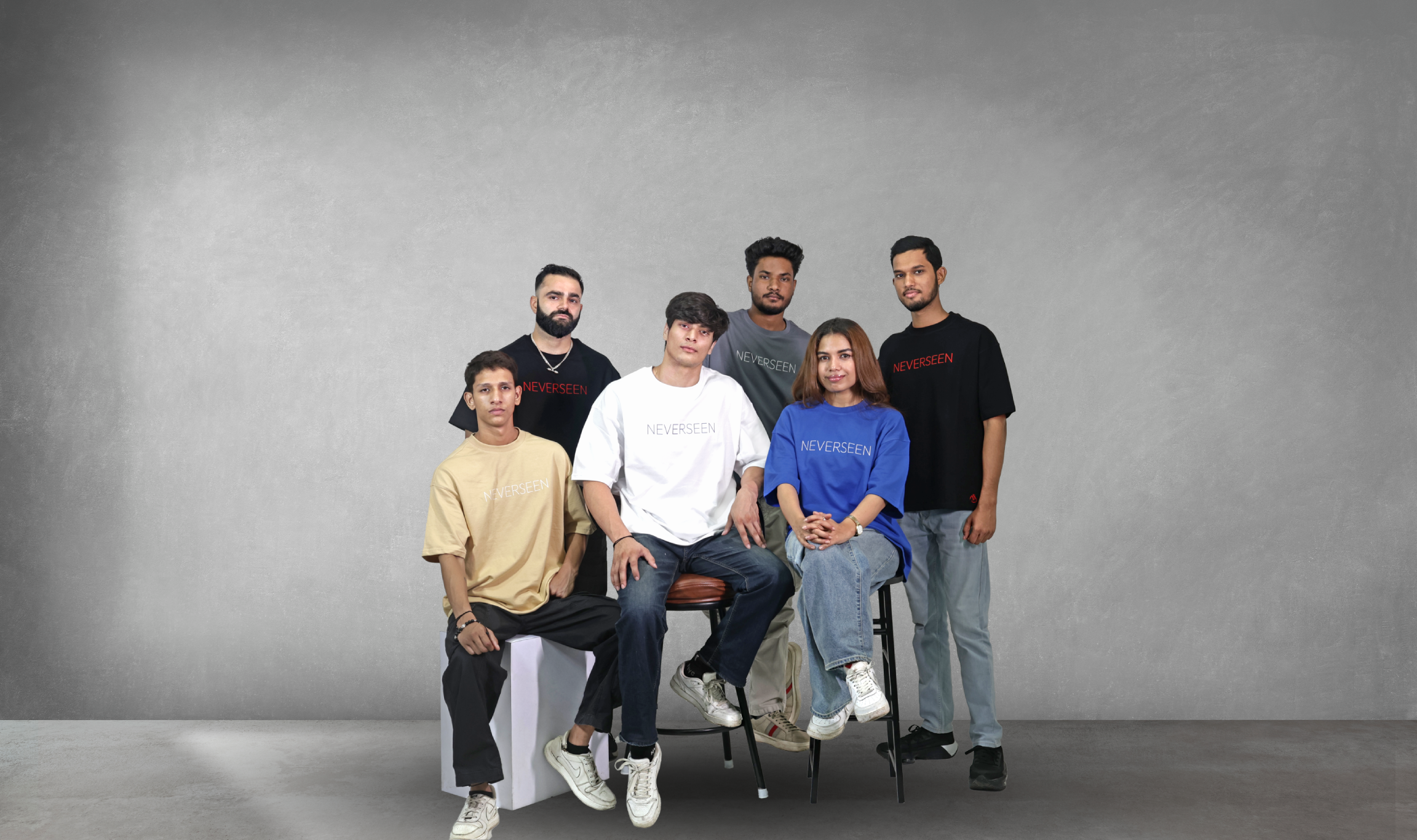
Clothing has always been more than protection from the elements.
What we wear carries meaning, intention, and identity.
From ancient cultures to modern streetwear, clothing has served as a language without words—a silent expression of who we are and how we see the world.
This idea is often explored in fashion psychology, a field that studies how clothing affects our emotions, behavior, and perception.
When someone chooses a particular color, fit, or style, they are rarely choosing randomly.
They are communicating something about their personality, mood, beliefs, or mindset.
In many ways, fashion identity becomes a reflection of personal awareness.
The Psychology Behind What We Wear
Researchers studying fashion psychology often describe clothing as a form of “enclothed cognition.”
This concept suggests that what we wear influences how we think and behave.
For example:
-
Wearing structured clothing may increase confidence.
-
Minimal outfits may create a sense of calm.
-
Intentional clothing choices can reinforce personal identity.
This is why self expression through fashion matters.
Your clothing can reflect:
-
values
-
emotional state
-
cultural identity
-
personal philosophy
When clothing aligns with who you truly are, it stops being decoration and becomes identity in motion.
Clothing Reflects Personality
Every wardrobe tells a story.
Some people choose bold prints and loud graphics because they enjoy standing out.
Others choose minimal and understated clothing because they value calmness, clarity, or simplicity.
This is where the idea that clothing reflects personality becomes most visible.
Your clothing choices reveal things like:
• how you see yourself
• what you prioritize
• what you want the world to feel about you
But in a world dominated by fast fashion trends, many people end up wearing clothes that represent algorithms instead of identity.
The result is a loss of authenticity.
People begin dressing to fit trends rather than expressing themselves.
The Fast Fashion Identity Problem
Fast fashion often encourages consumption over reflection.
Trends change quickly.
Styles are mass-produced.
Clothing becomes disposable.
Instead of helping people express identity, fast fashion often replaces identity with imitation.
People end up buying pieces simply because they are trending, cheap, or everywhere on social media.
But clothing that has no meaning rarely lasts.
Not just physically—but emotionally.
Over time, many people begin to realize something important:
The most powerful clothing choices are the ones that feel personally aligned.
Many people eventually realize that fast fashion feels cheap until you add it up, not just financially but emotionally as well.
Self Expression Through Fashion
True self expression through fashion doesn’t require a huge wardrobe.
It requires awareness.
When people understand their values, mindset, and personality, their clothing choices become clearer.
Instead of chasing trends, they begin asking questions like:
-
Does this reflect who I am?
-
Does this piece represent something meaningful?
-
Will I still connect with this years from now?
When clothing choices become intentional, people begin to understand that buying less is a form of self-respect.
This shift transforms clothing from consumption into intentional expression.
If you want to see how these ideas translate into real designs and visual storytelling, you can explore the NEVERSEEN philosophy and clothing concepts on our Instagram.
And when fashion becomes intentional, identity becomes visible.
Where NEVERSEEN Fits Into This Philosophy
At NEVERSEEN, clothing is not designed to follow noise.
It is designed to reflect awareness, identity, and meaning.
Every design is created with the belief that fashion should:
• represent mindset
• spark reflection
• encourage individuality
Instead of producing clothing purely for trends, NEVERSEEN focuses on thoughtful designs that carry ideas.
Because clothing should not just decorate the body—it should represent the mind behind it.
At NEVERSEEN, the goal is not to produce endless clothing but to focus on meaning over mass production.
A t-shirt can be simple.
But if it carries a message, a philosophy, or a moment of reflection, it becomes something deeper.
It becomes part of someone's identity.
Identity Is Built Through Small Choices
Your identity is not formed by one big moment.
It is shaped through small daily decisions.
What you think.
What you believe.
What you wear.
Clothing is one of the most visible expressions of that identity.
It tells the world something about who you are—even before you speak.
That’s why awareness matters.
Because when clothing reflects your inner world, it stops being just fashion.
It becomes identity you can see.
Conclusion
Fashion has the power to influence how we feel, how we act, and how we present ourselves to the world.
Understanding fashion identity and clothing psychology helps people move beyond trends and toward authenticity.
Clothing that reflects personality, beliefs, and self-expression creates a deeper connection between what we wear and who we are.
And in a world where trends constantly change, that connection becomes more valuable than ever.
At NEVERSEEN, the goal is simple:
To create clothing that represents awareness, identity, and meaning—so that what you wear reflects who you truly are.