
For years, fashion has been built on speed.
Faster trends.
Faster production.
Faster consumption.
What was in style last week often feels outdated by the next.
This cycle created what we now know as fast fashion—a system designed for constant replacement.
But people are beginning to question this rhythm.
More consumers today are moving away from trend-driven buying and toward something deeper:
intentional fashion.
This is not just a change in style.
It is a change in awareness.
The Cost of Fast Fashion
Fast fashion appears affordable in the moment.
But the real cost reveals itself over time.
As we explored earlier, fast fashion feels cheap until you add it up.
That cost is not only financial.
It includes:
- short product lifespan
- emotional disconnect
- wasteful consumption
- trend dependency
When clothing is designed to be replaced quickly, it rarely becomes meaningful.
It exists only for the moment.
And what exists only for the moment rarely builds identity.
Many people eventually realize that fast fashion feels cheap until you add it up, not only financially but emotionally and environmentally as well.
What Is Intentional Fashion?
Intentional fashion begins with a simple question:
Why am I buying this?
Not because it is trending.
Not because everyone else has it.
But because it aligns with:
- your values
- your identity
- your lifestyle
- your philosophy
This is where conscious clothing begins.
Every purchase becomes a decision rather than an impulse.
Every piece earns its place.
The Rise of Slow Fashion Movement
The slow fashion movement is the natural response to fast fashion culture.
It encourages:
- fewer, better purchases
- durable fabrics
- timeless silhouettes
- ethical craftsmanship
- mindful production
This shift is not about minimalism alone.
It is about awareness.
Because quality and meaning require time.
And time is something fast fashion rarely allows.
Conscious Clothing as Self-Respect
When people move toward intentional fashion, they often realize something important:
buying less is a form of self-respect
This idea changes the relationship between people and their wardrobe.
Instead of accumulation, the focus becomes alignment.
Instead of volume, the focus becomes value.
At some point, conscious buying becomes deeply personal, and that is when you begin to understand why buying less is a form of self-respect.
Why Ethical Fashion Matters
Intentional fashion is incomplete without ethics.
The rise of ethical fashion is not just about materials.
It is about responsibility.
Responsibility toward:
- workers
- resources
- environment
- culture
Consumers today want to know:
Who made this?
How was it made?
Why was it made?
These questions define conscious fashion.
The NEVERSEEN Philosophy
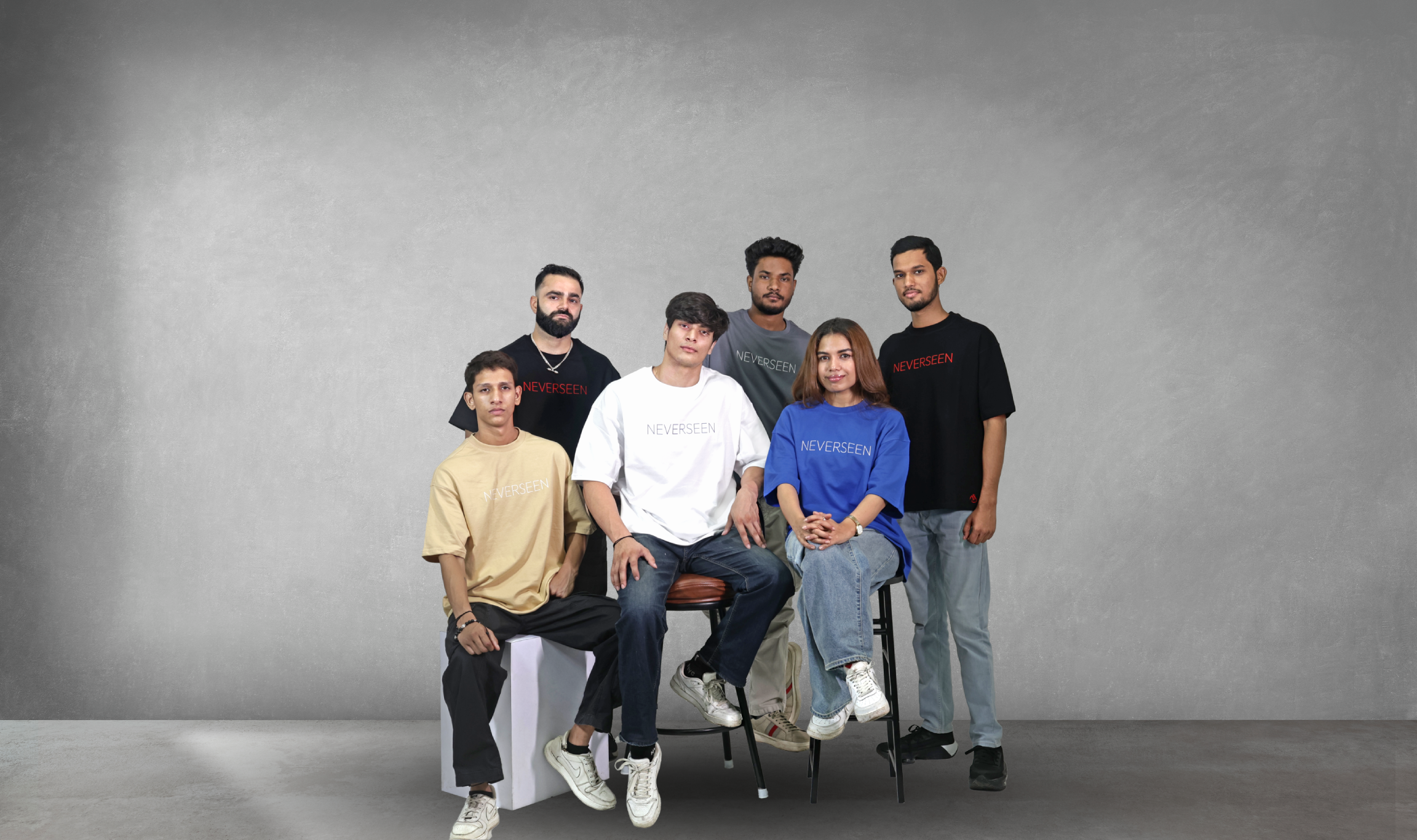
At NEVERSEEN, fashion is not created to keep up with trends.
It is created to slow people down.
To help them choose with intention.
Every piece is built around:
- awareness
- message
- identity
- meaning
This is why NEVERSEEN believes in meaning over mass production, designing fewer pieces with stronger intention.
Because clothing should not simply fill wardrobes.
It should reflect the person wearing it.
Intentional Fashion Is Identity in Motion
What you wear says something before you speak.
When fashion becomes intentional, it begins to communicate:
- discipline
- self-awareness
- individuality
- values
This is where clothing becomes more than style.
It becomes expression.
And expression becomes identity.
Continue the Conversation
If this philosophy resonates with you, continue the NEVERSEEN journey beyond the blog.
Follow NEVERSEEN on Instagram for:
- design philosophy
- visual storytelling
- conscious style inspiration
- slow fashion perspective
Place this right before the final paragraph.
Conclusion
The future of fashion is not faster.
It is more intentional.
As people move from fast fashion to conscious clothing, they are choosing more than garments.
They are choosing awareness.
They are choosing identity.
They are choosing meaning.
And that is exactly where NEVERSEEN belongs.